Workshops
Pond and Beyond (Grades 2-6)
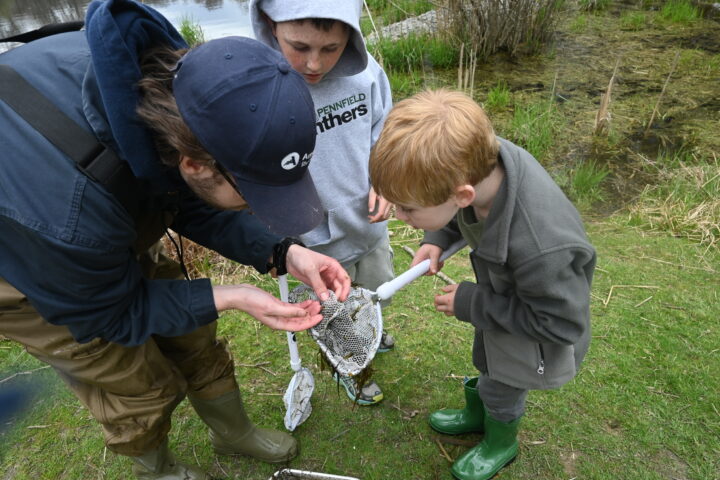
Bring science to life through field investigation and discovery at Red Maple Pond. In this hands-on program, students use field tools and observation techniques to explore the diversity of organisms that thrive in a freshwater ecosystem. From aquatic invertebrates to frogs, turtles, and water plants, students observe how each species contributes to the balance and health of the pond environment.
Through guided inquiry, students examine biotic and abiotic factors to assess the pond’s overall health and discuss how invasive species and human activities can impact freshwater systems. Emphasizing observation, classification, and critical thinking, this program fosters environmental literacy and connects classroom learning to real-world ecology.
Education StandardsNature Journaling (Grades 3-12)
Invite your students to explore the natural world through the lens of observation, creativity, and inquiry. Nature Journaling encourages learners to become thoughtful recorders of their environment, sharpening their skills in noticing patterns, asking questions, and expressing ideas. This interdisciplinary experience blends art, science, math, and language to foster place-based learning and meaningful connections with nature. Students leave inspired by curiosity, grounded in discovery, and equipped with tools to explore the world around them.
Bird Skulls Investigation (Grades 4–6)
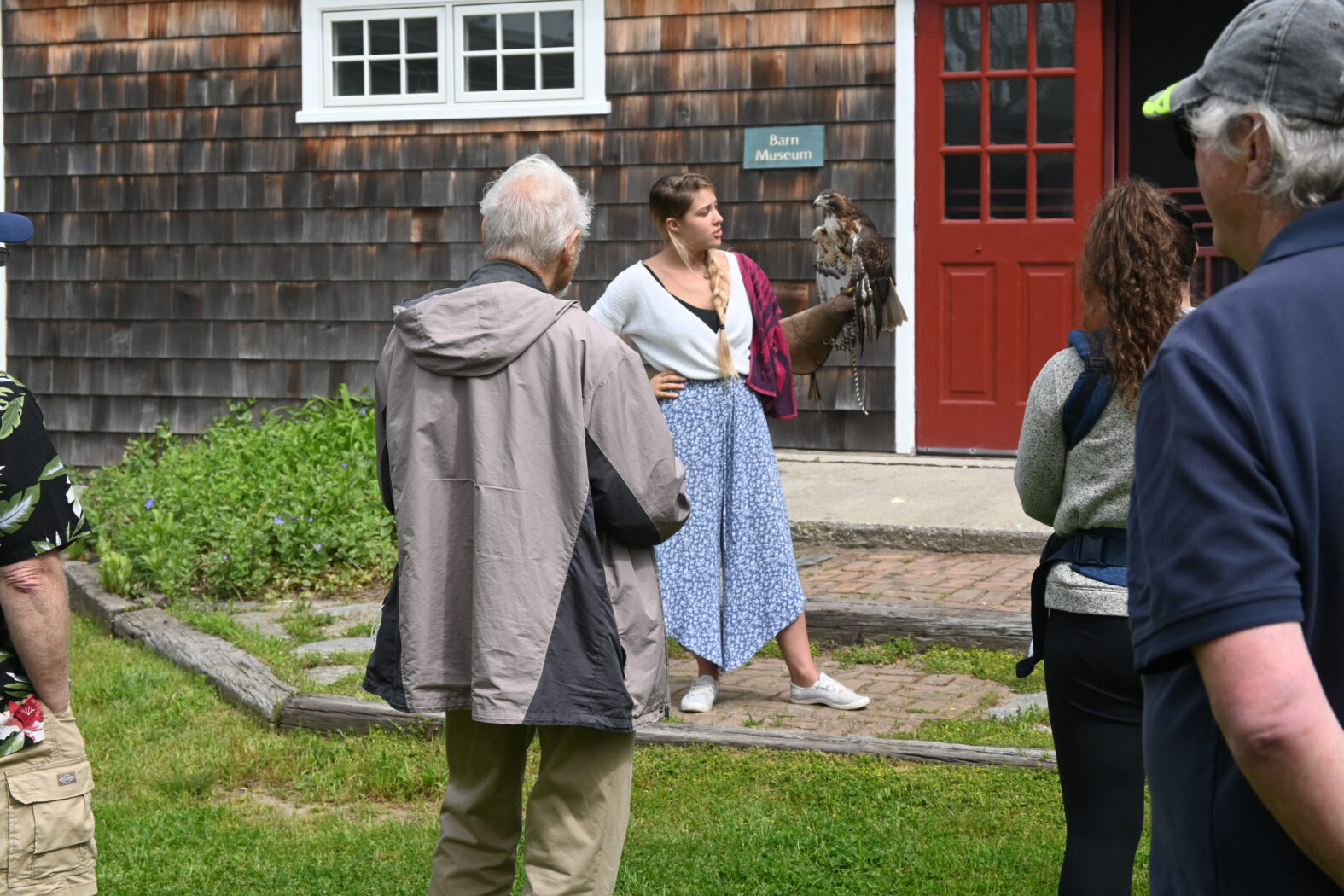
Explore the fascinating world of birds through hands-on scientific inquiry. In this workshop, students examine real bird skulls to uncover the secrets of avian adaptations, measuring and comparing features across species to understand how form relates to function. After the investigation, a Teacher Naturalist guides students on a 30-minute hike through the Norman Bird Sanctuary trails, where they apply their new knowledge to identify birds in their natural habitats.
Education StandardsOwl Adaptations & Pellet Dissection (Grades 4–6)
Uncover the secrets behind one of Rhode Island’s most skilled predators—owls. In this hands-on workshop, students investigate owl diets and hunting strategies by dissecting real owl pellets, revealing clues about their prey and ecological role. After the dissection, a Teacher Naturalist leads a 30-minute guided hike through the Norman Bird Sanctuary, where students explore owl habitats and deepen their understanding of these remarkable nocturnal birds.
Education StandardsScience Communication Essentials (Grades 7–12)
This dynamic workshop introduces the fundamentals of effective science communication through collaborative, hands-on learning. Students begin with a 30-minute guided hike exploring topics tied to the Norman Bird Sanctuary’s rich ecosystems, then work in teams to craft compelling content that bridges science and storytelling. Ideal for budding scientists, writers, and change makers ready to share their voice.
Education Standards