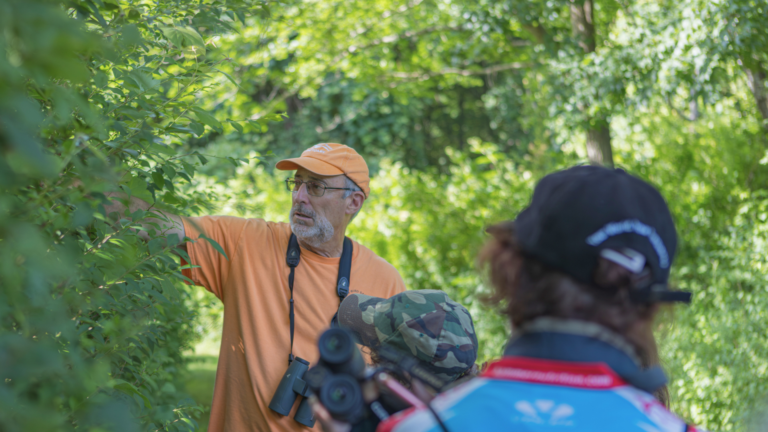
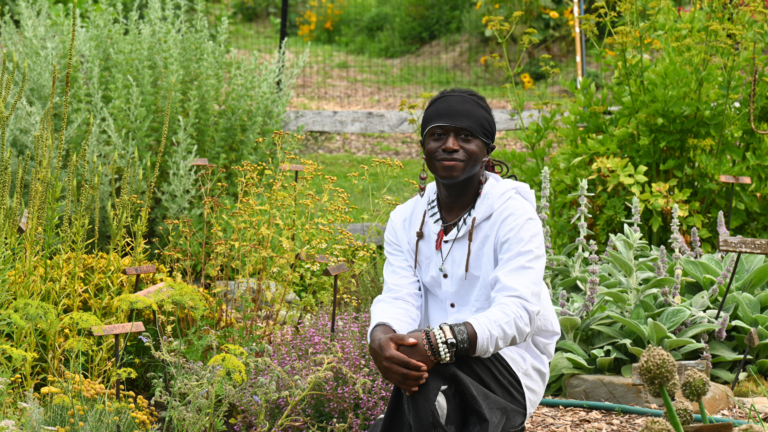
My name is Kit Guinivan and I am a junior double major in Environmental Studies and Cultural and Historic Preservation at Salve Regina University. This spring, I am working as a Science Communication Intern for the Norman Bird Sanctuary.
Growing up in New England, I have always been surrounded by a rich regional history, ecosystem, and identity. Both of my programs of study lend themselves to interdisciplinary work that has broadened my skills and knowledge at the desk and in the field. I have a background in conservation, preservation, natural and cultural resource management, sustainability, and research. These skills have brought me to NBS where I will be conducting a semester-long project creating an interactive trail map and guide to the Sanctuary.
Geography has always been my favorite topic since I was a kid. My favorite book growing up was an outdated atlas of the world that I would spend long afternoons reading at my grandparents’ house. I told everyone that I wanted to be a cartographer when I grew up. During my sophomore year of college, I took an intro to Geographic Information Systems (GIS) course. GIS is a software program that allows you to manipulate and edit maps to solve problems and visualize data. Most people use GIS daily, whether its to find the fastest route to a new restaurant or to remember which of the Great Lakes is Lake Superior. A map can tell a story that other forms of media cannot, such as landscape changes over time, comparing water quality across a region, or habitat disruptions from human development. I love the program so much that I am pursuing my certification and hope to work with GIS in my career. This project will be my largest undertaking yet.
The goal is to provide an immersive experience for visitors and the public to more deeply engage with the natural and cultural resources at Norman Bird Sanctuary. The interactive map is still in the works, but once complete, it will be available for public access via the internet. It will display our trail system network and contain points of interest including sightseeing spots, research project areas, wildlife sightings, and historic and geologic landmark features. The trail systems will show length, difficulty, and elevation to allow visitors to customize their experience according to their individual needs. Accessibility and ease of use are key aspects of this project because not everyone can experience the outdoors equally. People who cannot access the trails will be able to interact with this map and explore the various features on the property from anywhere in the world. We hope to incorporate an aspect of community engagement, where visitors can comment, review, and post sightings.
I am thrilled to join the team this spring as we make this passion project come to life.