The Norman Bird Sanctuary sits along the Atlantic Flyway, one of North America’s four major bird migration routes. Every spring and fall, millions of birds travel this aerial highway, pausing at rest stops to refuel before continuing to their destination.
It’s one of the reasons birdwatching here is so exciting. You never know what might show up and when it decides to make an appearance.
Some birds become local celebrities almost overnight. A Snowy Owl spotted flying over the field? Birders come running. A rare warbler drops in during migration? Expect cameras, binoculars, and record attendance at the Sunday Bird Walk. Even return of familiar migrants like Tree Swallows and Ospreys bring excitement as they mark the changing of the seasons.
But while migratory birds often get most of the attention, they’re only part of the story.
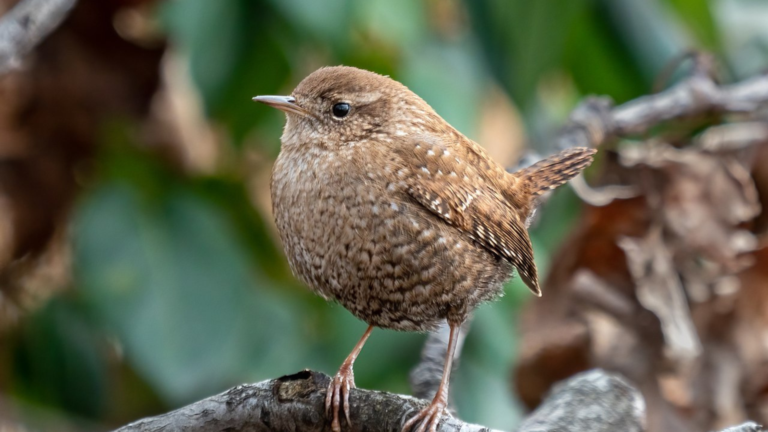
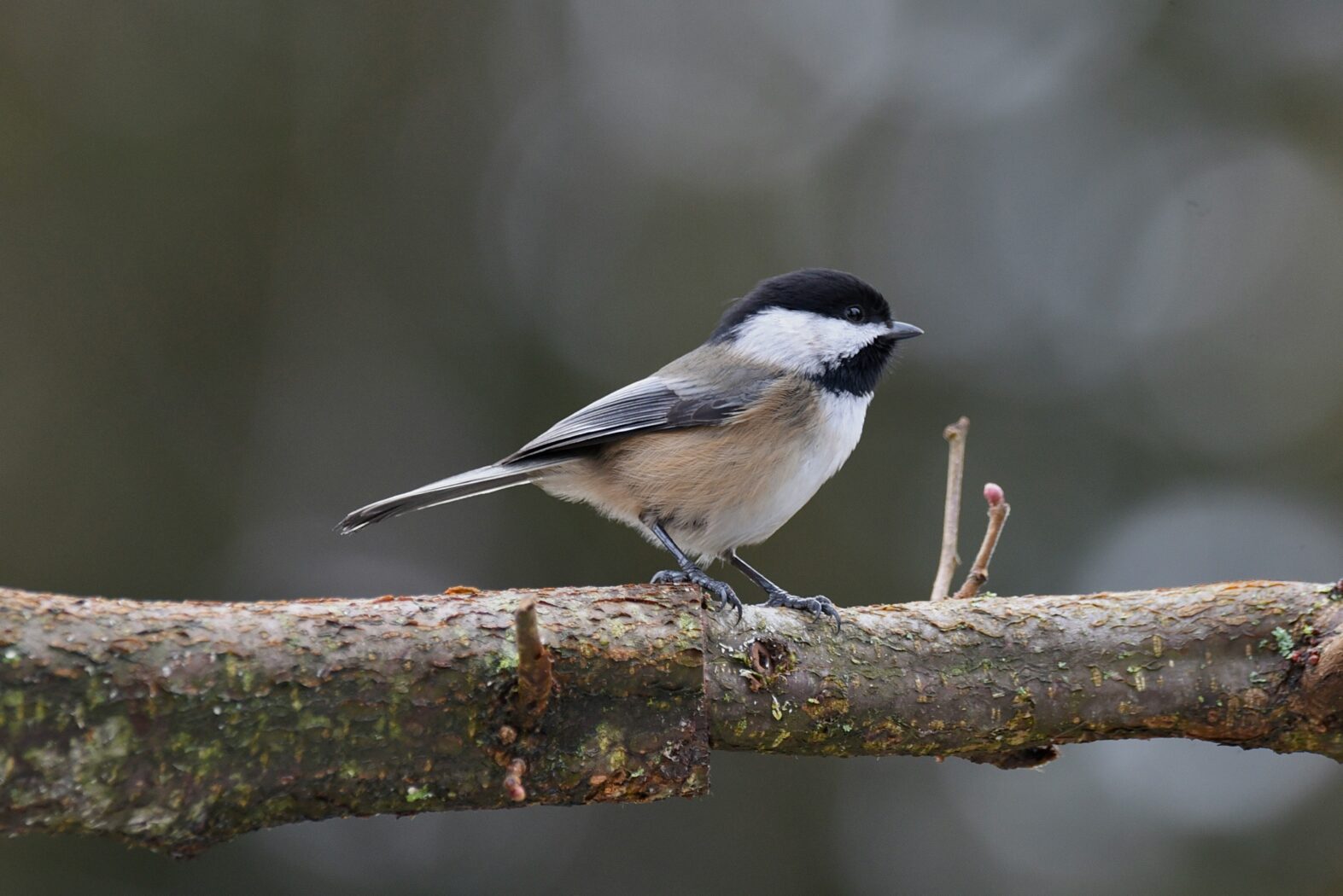
Many birds spend all year at the Sanctuary. Black-capped Chickadees, Northern Cardinals, Blue Jays, Downy Woodpeckers, White-breasted Nuthatches, Tufted Titmice, and Caroline Wrens all call Rhode Island home through every season, including the coldest days of winter.
So why don’t they migrate?
For many resident birds, staying put actually requires less energy than making a journey hundreds or thousands of miles south. Instead of fleeing winter, they’ve adapted to survive it.
Some species change what they eat as the seasons change. When insects become scarce, they switch to seeds, berries, and nuts. Chickadees spend the fall hiding food in hundreds of different locations and can remember where they stored it months later. Woodpeckers search beneath tree bark for dormant insects, while many birds gather in dense shrubs or evergreen trees to stay protected from wind and predators during cold nights.
These adaptations are impressive, but they only work if birds have healthy habitat.
That’s why year-round habitat management is such an important part of conservation at Norman Bird Sanctuary. Grasslands and meadows provide seeds long after summer ends. Native shrubs and trees produce berries that persist into winter. Standing dead trees, provide insects beneath their bark and cavities where birds can roost on freezing nights. Healthy forests, wetlands, and fields all play a role in helping resident birds find food and shelter throughout the year.
Our conservation team works year-round to restore and maintain these habitats through invasive species removal, meadow restoration, forest management, bird box monitoring, and other stewardship projects. While many of these efforts also benefit migratory birds, they are just as important for the species that never leave.