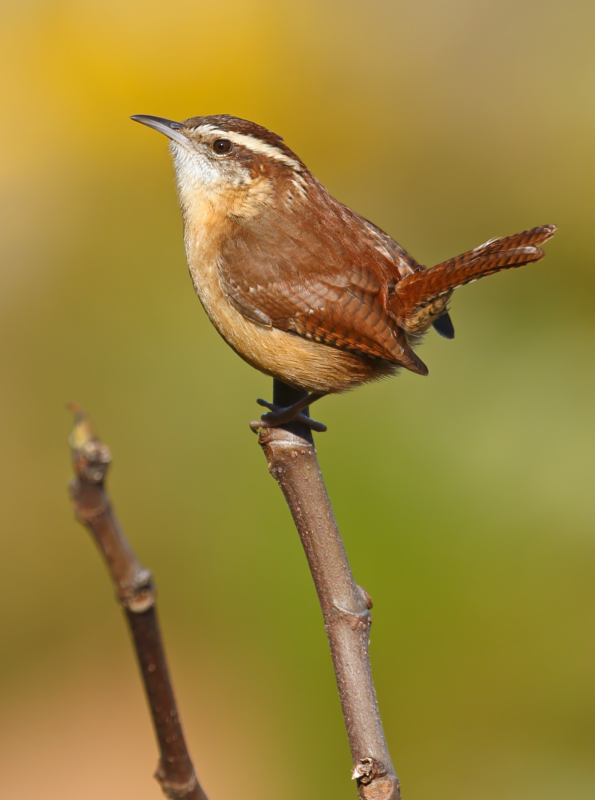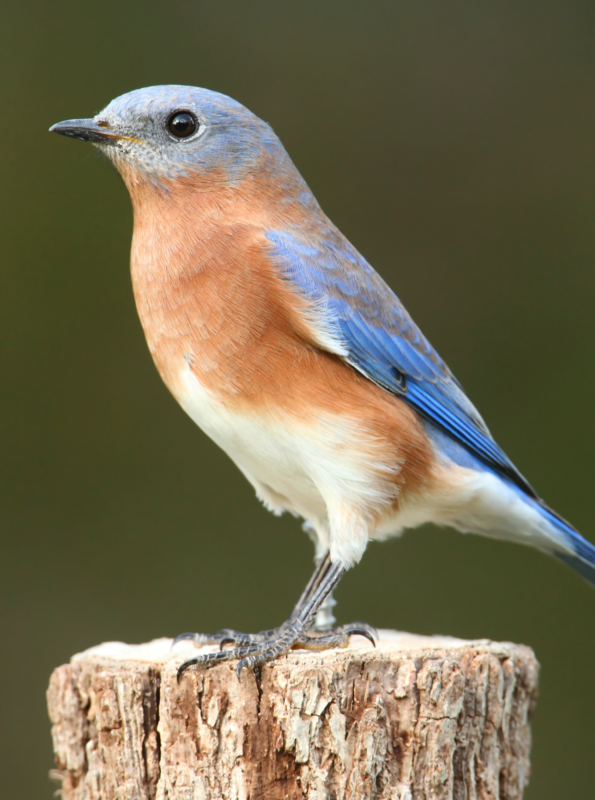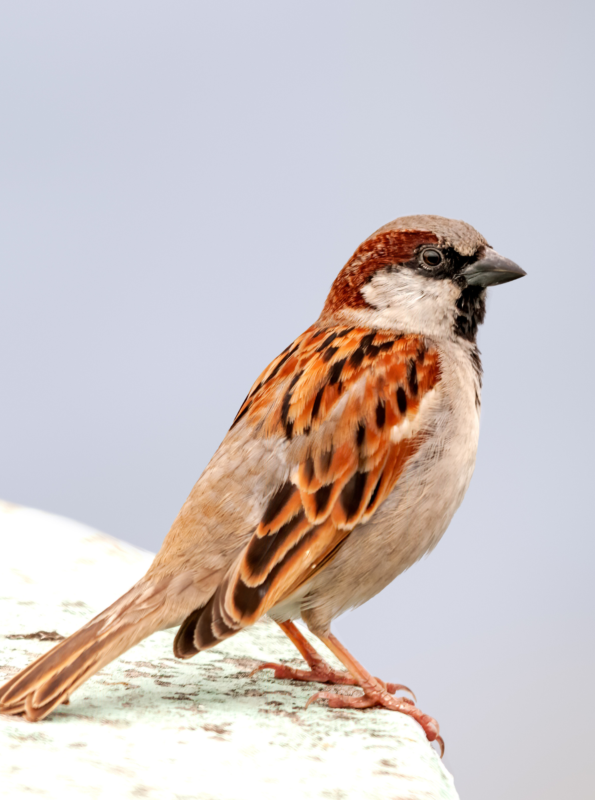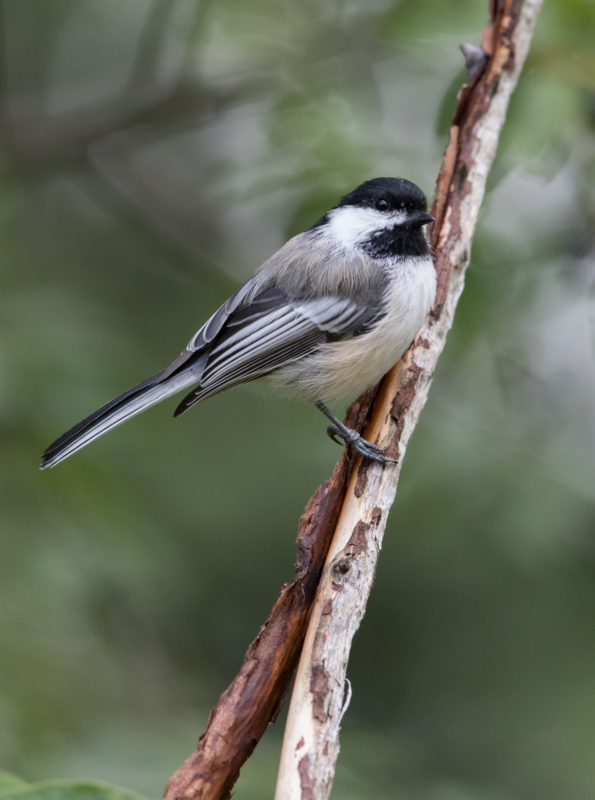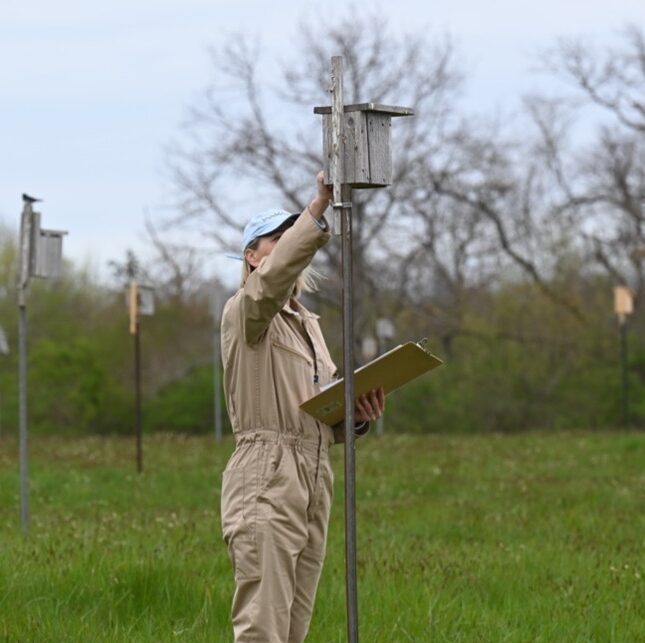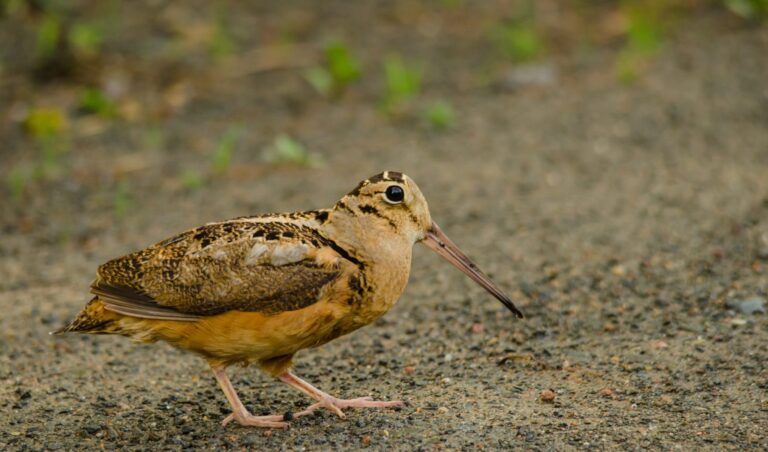
A chapter of the Cornell Lab of Ornithology’s NestWatch project, our annual Nest Box Program involves  installing and monitoring 318 bird boxes in our North and South Fields. The Norman Bird Sanctuary plays a vital role in providing critical habitat for hundreds of bird species. We need your help to continue this work.


Adopt A Bird Box

Support birds by adopting a box

Chickadee ($30)

Benefits Include: 

  • Free registration to “How To NestWatch” workshop on Friday, May 1 ($20 value)
  • End-of-season summary of activity in your assigned box
  • Assigned box


House Wren ($75)

Benefits Include: 

  • Guided private bird box viewing and tour ($100 value)
  • One mid-season update about activity in your assigned box
  • Free registration to “How To NestWatch” workshop on Friday, May 1 ($20 value)
  • End-of-season summary of activity in your assigned box
  • Assigned box


Tree Swallow ($150)

Benefits Include: 

  • Guided private bird box viewing and tour ($100 value)
  • Free NBS Household Membership ($75 value)
  • Recognition in the 2026 Annual Report
  • Custom nameplate affixed to your assigned box
  • One mid-season update about activity in your assigned box
  • Free registration to “How To NestWatch” workshop on Friday, May 1 ($20 value)
  • End-of-season summary of activity in your assigned box
  • Assigned box


Why adopt one of our boxes?

Open space is rapidly disappearing across the globe and with it, critical habitat for our avian friends. Providing nest boxes in a safe environment actively supports birds that are beneficial to our local ecosystem. Each year, staff and volunteers monitor hundreds of nest boxes, tracking trends in the reproductive biology of birds, including when nesting occurs, the number of eggs laid, how many of those eggs hatch, and how many hatchlings survive. The results not only contribute to broader studies conducted by the Cornell Lab of Ornithology but offer us valuable information on the health of our local habitats and ecosystems.

Each year, you can support this program and get involved by adopting a bird box and watch as birds make a home in your very own nest box from fledgling to their departing flight in the fall. 
Who lives in our bird boxes?

Understanding Target and Invasive Species

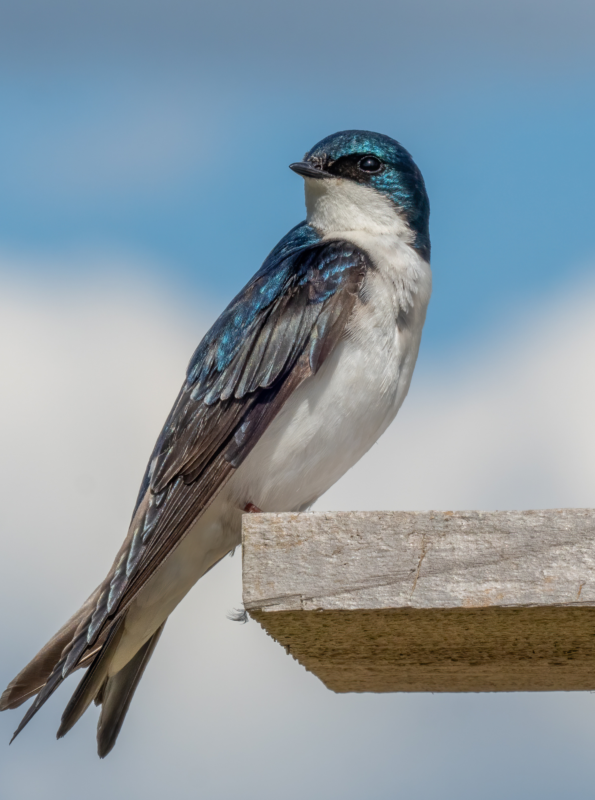
Target species are the bird species that we aim to protect and support through our conservation efforts. These birds are typically native species that play an important role in our local ecosystems. For this project, Eastern Bluebirds and Tree Swallows are target species as they play an important role in insect control and often indicate a healthy ecosystem.

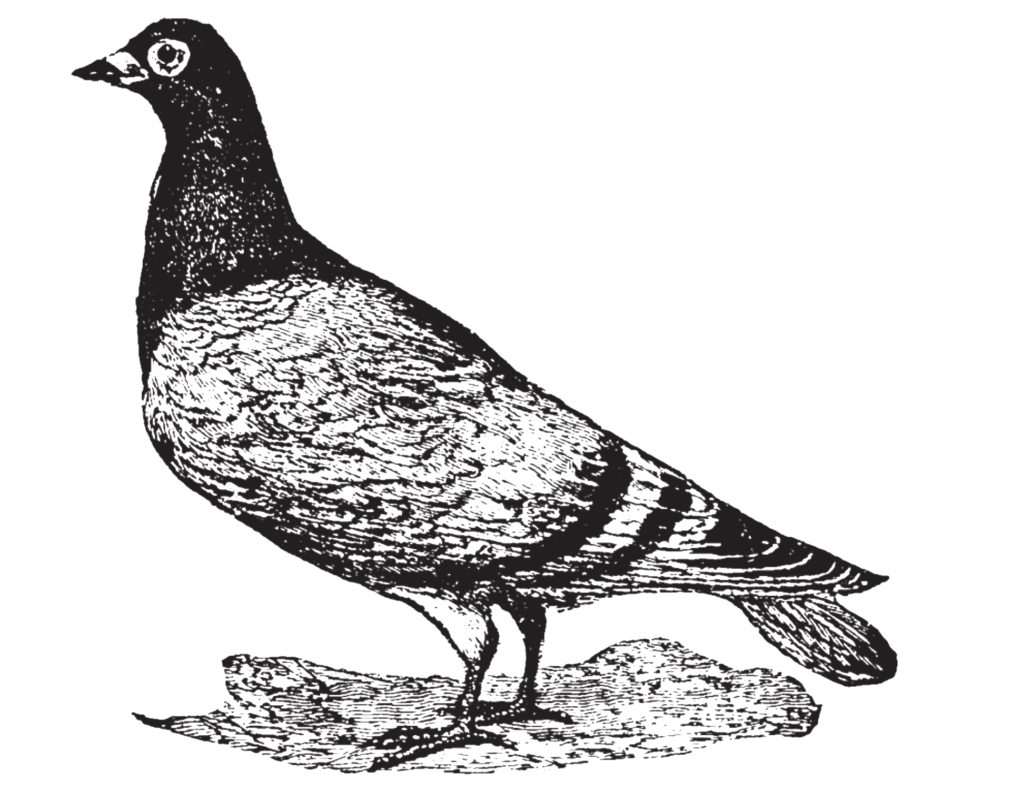
Invasive species, on the other hand, are non-native species that lack natural predators and therefore are able to spread rapidly. Invasive species can harm native species by taking over habitats, disrupting food sources, and even displacing or harming native birds. The House Sparrow is an invasive species that competes with native birds like the target Tree Swallow for nesting sites and food.

In 2025, volunteers recorded 570 eggs laid and 225 chicks successfully fledged, including 211 tree swallows, a 20% increase from last year. The tree swallow nest success rate also improved, rising from 37% to 44%. Meanwhile, house sparrow fledglings declined by 93%, a clear sign that our targeted efforts to manage this invasive species are working.